Assess
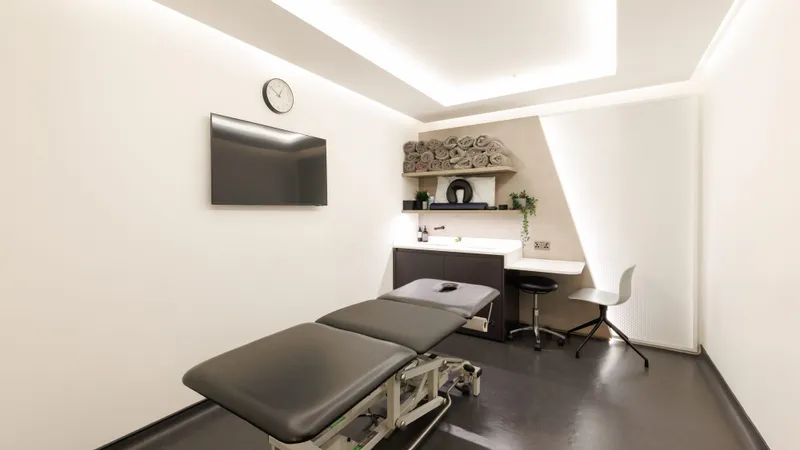
A detailed history and a thorough examination of movement, strength and the affected area. You leave knowing what is wrong, why it happened and exactly what we are going to do about it.
Rotator cuff problems and frozen shoulder account for most of the shoulder pain we treat, and both respond well to properly loaded rehabilitation. The difficulty is that they behave very differently, so getting the diagnosis right at the start changes the whole plan.

Overview
Shoulder pain has a small number of common causes, and telling them apart matters because the treatment differs substantially.
Rotator cuff related shoulder pain is the most frequent. It typically hurts on reaching, lifting overhead or lying on that side, and it responds well to progressive loading of the cuff and surrounding musculature. Structured exercise is the evidence-based first-line approach, and the large CSAW trial published in 2018 found that subacromial decompression surgery gave no meaningful benefit over placebo surgery for this presentation, which is a strong argument for doing the rehabilitation properly first.
Frozen shoulder (adhesive capsulitis) behaves differently: it progressively restricts movement in every direction, including when someone else moves your arm for you, and it follows a long natural course through painful, stiff and thawing phases. Management focuses on pain control and maintaining what range you have, with realistic expectations about timeframes.
Assessment establishes which you are dealing with, and treatment follows from there through physiotherapy and graded exercise rehabilitation.
Excellent
From 4 five-star Google reviews
Source: Google
I saw Amanda for a problem I've been having with a painful shoulder. She explained to me what the problem was, did a thorough treatment session and gave me some exercises to do to improve it. Very professional and friendly, I highly recommend her.
I first visited Amanda following a maisonneuve fracture. That day I walked 107 steps in a camboot with two crutches. I have visited weekly. Yesterday I walked 13,315 steps (no crutches, no boot). The transformation is truly amazing.
I booked with Michelle for my first appointment. When I stood up I said to her it feels like heaven as my continuous back pain had totally gone. I was totally pain free for 7 hours so bless you Michelle.
Excellent treatment of my lower back and related sciatica injuries from CrossFit. Definitely my go-to therapist when in dire need of pain relief.
Rotator cuff pain, frozen shoulder and referred neck pain present similarly but need very different management. Assessment separates them, and getting that right at the start is what stops months being wasted on the wrong plan.
Progressive loading of the rotator cuff and scapular muscles is the evidence-based first-line treatment. It takes patience, but it is what resolves the problem where passive treatment alone does not.
The CSAW trial found subacromial decompression gave no meaningful benefit over placebo surgery for rotator cuff related pain. We will give you the evidence plainly so any decision you make is an informed one.
Night pain is one of the most wearing parts of a shoulder problem. Practical positioning changes alongside treatment usually make a noticeable difference within the first few weeks.
Whether the goal is the gym, a racket sport or reaching a top shelf without wincing, we build the plan around the specific overhead demand you want back, then load towards it progressively.
Why it happens
Rotator cuff tendinopathy from a sudden increase in overhead or loaded work
Deconditioning of the rotator cuff and scapular stabilising muscles
Adhesive capsulitis (frozen shoulder), sometimes following a period of immobility
Referred pain from the cervical spine mimicking a shoulder problem
Acute traumatic injury such as a fall onto an outstretched hand or the shoulder itself
Post-operative stiffness following shoulder surgery

Your first visit is a full 60-minute assessment: a detailed history, then testing of how you move, how strong you are and what the painful area is actually doing. We explain the working diagnosis in plain English and agree a plan with you before any treatment starts.
You leave with a written summary and a home programme, emailed the same day and loaded into the Move Health app so the technique stays right between visits.
The starting point for better health. Our clinics work together to take you from injury, through recovery and performance, to the kind of health that holds up for decades. One team, one plan, one record of where you started.

You can refer yourself, with no GP letter needed, and book online in a couple of minutes at whichever clinic is easier to reach.
Most people arrive with something that hurts. What happens after that is the part most clinics leave to chance. We treat the problem, rebuild the capacity you lost, then keep you strong enough that it stays fixed.
A detailed history and a thorough examination of movement, strength and the affected area. You leave knowing what is wrong, why it happened and exactly what we are going to do about it.

Hands-on manual therapy chosen for your presentation, with Western medical acupuncture or soft-tissue work added where they help. Treatment is not the goal in itself: it opens the window to move and load properly.

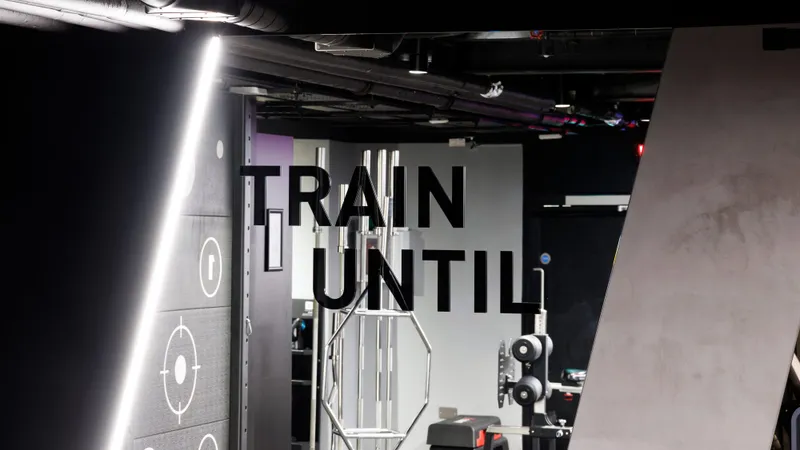
Progressive, coached exercise rehabilitation restores the strength and load tolerance you lost, with full gym facilities at both clinics. This is the stage that decides whether the fix lasts.

Each follow-up measures you against your own baseline. We discharge you when you have the strength and the tools to manage alone, with clinical Pilates, sports massage and golf screening on hand to keep you there.

Treatment approach
Accurate diagnosis is the critical step, because rotator cuff pain, frozen shoulder and referred neck pain need very different management despite presenting similarly.
See treatment detail →Progressive loading of the rotator cuff and scapular muscles is the evidence-based first-line treatment for rotator cuff related shoulder pain.
See treatment detail →Available as an adjunct where pain is persistent and limiting the active rehabilitation that resolves the problem.
See treatment detail →FAQ
Usually not. The CSAW trial published in the Lancet in 2018 found subacromial decompression surgery gave no meaningful benefit over placebo surgery for rotator cuff related shoulder pain. Structured, progressive rehabilitation is the appropriate first-line approach for most people.
Frozen shoulder progressively restricts movement in all directions, including when someone else moves your arm for you. That passive restriction is the distinguishing feature: rotator cuff problems usually hurt on active movement but allow more range when the arm is moved for you.
It follows a long course, commonly one to three years through painful, stiff and thawing phases, though many cases resolve faster. Treatment focuses on managing pain and preserving range. We will be honest about the timeframe rather than promising a quick fix.
Night pain is characteristic of both rotator cuff problems and frozen shoulder, partly because lying on the shoulder compresses it and partly because there is nothing to distract from the symptoms. Sleeping position adjustments usually help, and we cover these in your plan.
Get Started
Origin Health • 280 Bishopsgate, Liverpool Street, London EC2M 4RB
BookAppointments typically available within 1–2 weeks