Assess
A detailed history and a thorough examination of movement, strength and the affected area. You leave knowing what is wrong, why it happened and exactly what we are going to do about it.
NICE-aligned physiotherapy for osteoarthritis and inflammatory arthritis affecting the knee, hip, hand, and spine. It is tempting to rest a painful joint, but inactivity tends to worsen both the pain and your wider health, and the muscle that protects the joint fades fast. We treat arthritis with therapeutic exercise, weight management support, and education to ease pain and restore function: self-referral, no GP letter needed, at our Liverpool Street clinic in the City.

Overview
Osteoarthritis (OA) is the most common form of arthritis we see, typically affecting the weight-bearing joints: the knee, hip, and spine, and the hands. It is tempting to rest a painful joint, but the muscle that protects it fades fast, and inactivity tends to worsen both the pain and your wider health.
NICE NG226 recommends three things as first-line care for osteoarthritis at every stage:
Hands-on physiotherapy and progressive exercise rehabilitation support that programme rather than replacing it, and most patients notice meaningful change within 8 to 12 weeks. Inflammatory arthritis (rheumatoid, psoriatic, ankylosing spondylitis) is a different disease process led by your rheumatologist, and we co-ordinate exercise and function alongside their medical care.
Excellent
From 4 five-star Google reviews
Source: Google
I saw Amanda for a problem I've been having with a painful shoulder. She explained to me what the problem was, did a thorough treatment session and gave me some exercises to do to improve it. Very professional and friendly, I highly recommend her.
I first visited Amanda following a maisonneuve fracture. That day I walked 107 steps in a camboot with two crutches. I have visited weekly. Yesterday I walked 13,315 steps (no crutches, no boot). The transformation is truly amazing.
I booked with Michelle for my first appointment. When I stood up I said to her it feels like heaven as my continuous back pain had totally gone. I was totally pain free for 7 hours so bless you Michelle.
Excellent treatment of my lower back and related sciatica injuries from CrossFit. Definitely my go-to therapist when in dire need of pain relief.
Strengthening the muscles around an arthritic joint improves shock absorption and reduces the load passing through it, which changes the underlying picture rather than masking pain. Most patients notice meaningful change in pain and function within 8 to 12 weeks of structured loading.
NICE NG226 recommends therapeutic exercise, weight management, and education as first-line care for osteoarthritis at every stage. Manual therapy supports the exercise programme rather than replacing it, and we build the plan around the joints affecting you most.
It is tempting to rest a painful joint, but inactivity worsens both the pain and your wider health, and the muscle that protects the joint fades fast. We design the programme around what your joint currently tolerates and progress it as you improve.
A progressive strengthening programme builds the muscle support around a hip, knee, or spinal joint, and low-impact options such as clinical Pilates maintain range, strength, and confidence. It is a sustainable way to stay active over the long term.
Most people with osteoarthritis never need a joint replacement. Surgery is reserved for cases where pain and disability remain severe after good-quality exercise, weight management, and education. If it does become appropriate we will say so and continue your rehabilitation afterwards.
Rheumatoid, psoriatic, and ankylosing spondylitis are a different disease process, led by your rheumatologist. We co-ordinate exercise and function alongside their medical care, and if we suspect inflammatory arthritis we will refer you for assessment.
Why it happens
Age-related cartilage wear under cumulative joint load: most common in the knee, hip, hand, and spine
Previous joint injury such as a meniscal tear, ligament rupture, or intra-articular fracture (post-traumatic OA)
Excess body weight loading the lower-limb joints: the strongest modifiable risk factor for knee osteoarthritis
Reduced strength and movement around the affected joint, often following a period of inactivity
Family history of osteoarthritis, with a genetic predisposition particularly for hand OA
Inflammatory and rheumatological conditions (rheumatoid, psoriatic, ankylosing spondylitis): a different disease process, managed with your rheumatologist

Your first visit is a full 60-minute assessment: a detailed history, then testing of how you move, how strong you are and what the painful area is actually doing. We explain the working diagnosis in plain English and agree a plan with you before any treatment starts.
You leave with a written summary and a home programme, emailed the same day and loaded into the Move Health app so the technique stays right between visits.
The starting point for better health. Our clinics work together to take you from injury, through recovery and performance, to the kind of health that holds up for decades. One team, one plan, one record of where you started.

You can refer yourself, with no GP letter needed, and book online in a couple of minutes at whichever clinic is easier to reach.
Most people arrive with something that hurts. What happens after that is the part most clinics leave to chance. We treat the problem, rebuild the capacity you lost, then keep you strong enough that it stays fixed.
A detailed history and a thorough examination of movement, strength and the affected area. You leave knowing what is wrong, why it happened and exactly what we are going to do about it.

Hands-on manual therapy chosen for your presentation, with Western medical acupuncture or soft-tissue work added where they help. Treatment is not the goal in itself: it opens the window to move and load properly.

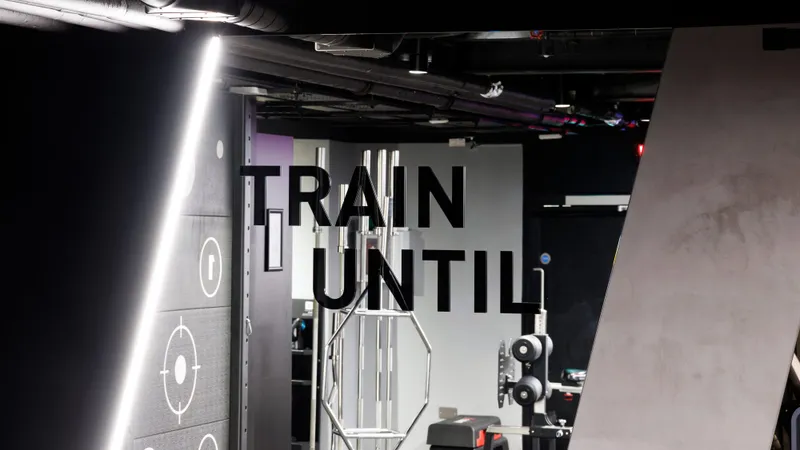
Progressive, coached exercise rehabilitation restores the strength and load tolerance you lost, with full gym facilities at both clinics. This is the stage that decides whether the fix lasts.

Each follow-up measures you against your own baseline. We discharge you when you have the strength and the tools to manage alone, with clinical Pilates, sports massage and golf screening on hand to keep you there.

Treatment approach
Therapeutic exercise, education, and manual therapy is the NICE NG226 first-line treatment for osteoarthritis at every stage; most patients see meaningful improvement within 8 to 12 weeks.
See treatment detail →A progressive, individually loaded strengthening programme builds the muscle support around an arthritic joint, improving shock absorption and function over time.
See treatment detail →Low-impact, controlled movement maintains range, strength, and confidence for hip, knee, and spinal arthritis: a sustainable way to keep active long term.
See treatment detail →FAQ
It does more than mask pain. Strengthening the muscles around an arthritic joint improves shock absorption and reduces the load passing through the joint, which genuinely changes the underlying picture. NICE NG226 recommends exercise for everyone with osteoarthritis at every stage, including those awaiting joint replacement. Benefits typically build over 8 to 12 weeks.
No: the opposite is true. Inactivity worsens both joint pain and general health for people with arthritis. NICE recommends a combination of strengthening, aerobic, and range-of-motion exercise for osteoarthritis. We design the programme around what your joint currently tolerates and progress it as you improve. Some discomfort during sensible exercise is normal and does not mean harm.
Most people with osteoarthritis never need a replacement. Surgery is reserved for cases where pain and disability remain severe after good-quality conservative care: structured exercise, weight management, education, and sometimes an injection. If surgery becomes appropriate we will say so, support a referral to an orthopaedic surgeon, and continue your rehabilitation afterwards.
Osteoarthritis is mechanical wear of the joint, usually worse with activity and easing with rest. Rheumatoid and other inflammatory arthritis are autoimmune conditions causing prolonged morning stiffness, swelling, and fatigue, and are managed medically by a rheumatologist. We co-ordinate exercise and function alongside that care; if we suspect inflammatory arthritis we will refer for assessment.
Get Started
Origin Health • 280 Bishopsgate, Liverpool Street, London EC2M 4RB
BookAppointments typically available within 1–2 weeks