Assess
A detailed history and a thorough examination of movement, strength and the affected area. You leave knowing what is wrong, why it happened and exactly what we are going to do about it.
Almost every running injury we see is a training-load problem wearing the disguise of a body-part problem. Get the loading right and most of them resolve, which is usually better news than runners expect.

Overview
Running injuries cluster around a small number of sites: the knee, the Achilles and heel, the shin, and the hip. What they have in common is rarely a structural fault. It is a mismatch between how much running has been asked of the tissue and how much it could tolerate at the time.
That is why the first questions we ask are about your training rather than your anatomy. A jump in weekly mileage, a new block of hill or speed work, a change of surface or shoes, or a return after time off are between them responsible for most of what walks through the door in marathon season.
Treatment settles the symptomatic tissue, then rebuilds capacity through progressive strength work while keeping you running at a level the injury tolerates. Where a specific site is involved, the detail is on the knee and foot and ankle pages. Amanda is a runner herself, having completed 10km and half marathon events.
Excellent
From 4 five-star Google reviews
Source: Google
I saw Amanda for a problem I've been having with a painful shoulder. She explained to me what the problem was, did a thorough treatment session and gave me some exercises to do to improve it. Very professional and friendly, I highly recommend her.
I first visited Amanda following a maisonneuve fracture. That day I walked 107 steps in a camboot with two crutches. I have visited weekly. Yesterday I walked 13,315 steps (no crutches, no boot). The transformation is truly amazing.
I booked with Michelle for my first appointment. When I stood up I said to her it feels like heaven as my continuous back pain had totally gone. I was totally pain free for 7 hours so bless you Michelle.
Excellent treatment of my lower back and related sciatica injuries from CrossFit. Definitely my go-to therapist when in dire need of pain relief.
Most running injuries are load problems wearing the disguise of a body-part problem. Identifying the jump in mileage or the new hill block that caused it is what stops the same injury returning next season.
Complete rest costs fitness and lowers the capacity you need to rebuild. We usually adjust volume, surface and intensity instead, so you keep running at a level the injury tolerates.
Calf, quadriceps and gluteal strength determines how much running your body tolerates. It is the single most reliable protection across a marathon build, and it is the thing most runners skip.
With enough notice there is almost always a workable plan: treat the tissue, cut the aggravating load, hold fitness through cross-training, and make an honest call nearer the day.
Amanda runs 10km and half marathon events herself. Advice about tapering, easy days and what a hard block actually feels like lands differently when it comes from someone who has done it.
Why it happens
A rapid increase in weekly mileage, outpacing what the tissue can adapt to
A new block of hill or speed work introduced alongside existing volume
Returning to previous mileage too quickly after time off or illness
Insufficient strength through the calf, quadriceps and gluteal muscles for the mileage being run
A change of running surface or footwear
Inadequate recovery: poor sleep, high life stress, or too few easy days in the week

Your first visit is a full 60-minute assessment: a detailed history, then testing of how you move, how strong you are and what the painful area is actually doing. We explain the working diagnosis in plain English and agree a plan with you before any treatment starts.
You leave with a written summary and a home programme, emailed the same day and loaded into the Move Health app so the technique stays right between visits.
The starting point for better health. Our clinics work together to take you from injury, through recovery and performance, to the kind of health that holds up for decades. One team, one plan, one record of where you started.

You can refer yourself, with no GP letter needed, and book online in a couple of minutes at whichever clinic is easier to reach.
Most people arrive with something that hurts. What happens after that is the part most clinics leave to chance. We treat the problem, rebuild the capacity you lost, then keep you strong enough that it stays fixed.
A detailed history and a thorough examination of movement, strength and the affected area. You leave knowing what is wrong, why it happened and exactly what we are going to do about it.

Hands-on manual therapy chosen for your presentation, with Western medical acupuncture or soft-tissue work added where they help. Treatment is not the goal in itself: it opens the window to move and load properly.

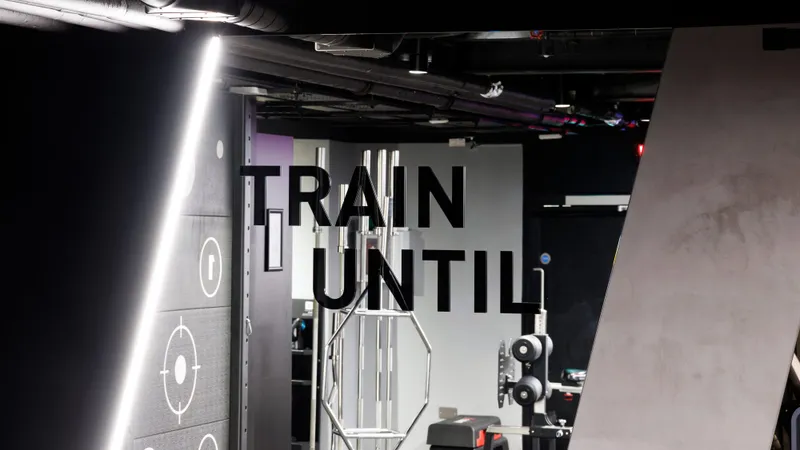
Progressive, coached exercise rehabilitation restores the strength and load tolerance you lost, with full gym facilities at both clinics. This is the stage that decides whether the fix lasts.

Each follow-up measures you against your own baseline. We discharge you when you have the strength and the tools to manage alone, with clinical Pilates, sports massage and golf screening on hand to keep you there.

Treatment approach
Assessment identifies the injured tissue and, more importantly, the training-load pattern that produced it, which is what stops the same injury recurring in a later block.
See treatment detail →Building strength through the calf, quadriceps and gluteal muscles raises the load your body tolerates, which is the most reliable protection across a marathon build.
See treatment detail →Regular soft-tissue work through a heavy training block eases the accumulated tightness and soreness that build up between hard sessions.
See treatment detail →FAQ
Usually not. Complete rest lowers the capacity you need to rebuild and costs you fitness. We more often reduce volume, adjust surface and remove speed or hill work, then rebuild progressively. Some injuries do need a short break, and we will say so plainly.
Increase gradually and change one variable at a time. Adding volume, intensity and hills together in the same week is what most often triggers injury. After time off, expect to rebuild over several weeks rather than picking up where you left off.
Come in early rather than hoping it settles. With six weeks there is usually a workable plan: reduce aggravating load, treat the tissue, maintain fitness through cross-training, and make a realistic call closer to the day. Leaving it to the final fortnight removes those options.
Rarely on its own. Footwear can influence comfort and load distribution, but it does not build the tissue capacity that resolves the problem. A sudden change of shoe is more often a cause of injury than a cure for one.
Get Started
Origin Health • 280 Bishopsgate, Liverpool Street, London EC2M 4RB
BookAppointments typically available within 1–2 weeks