Assess
A detailed history and a thorough examination of movement, strength and the affected area. You leave knowing what is wrong, why it happened and exactly what we are going to do about it.
Most low back pain and sciatica is non-specific and recovers well with physiotherapy, exercise, and education. Left to drift, though, an episode that should settle in weeks can become the recurrent, fear-driven pain that the World Health Organization now ranks as the single leading cause of disability worldwide. We provide NICE-aligned treatment for low back pain and sciatica at our Liverpool Street clinic in the City, without routine imaging, opioids, or unnecessary bed rest.

Overview
Most adults experience low back pain at some point, and the majority of episodes are non-specific, meaning no single structure can be pinpointed as the cause. Sciatica describes leg pain, tingling, or numbness that follows the sciatic nerve, usually from irritation of a lumbar nerve root.
NICE guidance (NG59) recommends physiotherapy, exercise, and self-management education as first-line care. It also advises against three things people often expect:
Most acute episodes settle within 6 weeks. Recurrent or persistent pain responds well to exercise rehabilitation combined with manual therapy, with acupuncture available as an adjunct where pain lingers. We consider how your work, sport, and daily life load your spine, and build the plan around getting you back to those activities with confidence.
Excellent
From 4 five-star Google reviews
Source: Google
I saw Amanda for a problem I've been having with a painful shoulder. She explained to me what the problem was, did a thorough treatment session and gave me some exercises to do to improve it. Very professional and friendly, I highly recommend her.
I first visited Amanda following a maisonneuve fracture. That day I walked 107 steps in a camboot with two crutches. I have visited weekly. Yesterday I walked 13,315 steps (no crutches, no boot). The transformation is truly amazing.
I booked with Michelle for my first appointment. When I stood up I said to her it feels like heaven as my continuous back pain had totally gone. I was totally pain free for 7 hours so bless you Michelle.
Excellent treatment of my lower back and related sciatica injuries from CrossFit. Definitely my go-to therapist when in dire need of pain relief.
Most low back pain and sciatica is non-specific and recovers well with hands-on treatment, exercise, and clear guidance. Combined manual therapy and progressive exercise is the NICE-aligned first-line approach, and an acute first episode often settles in three to six sessions.
Sciatica describes leg pain, tingling, or numbness that follows the sciatic nerve, usually from an irritated lumbar nerve root, while most back pain has no single structure to blame. We explain your diagnosis in plain terms so you know what to do and what to stop worrying about.
NICE advises against routine scans, opioids, and prolonged rest for non-specific back pain and sciatica. Staying as active as your pain reasonably allows beats bed rest, which slows recovery, and we reserve imaging for genuine red flags or symptoms that fail to improve.
A graded, individual exercise programme rebuilds strength and load tolerance in the lumbar spine, which is the strongest evidence-based defence against the pain coming back. We account for how your work, sport, and daily routine load your spine when we build it.
Recurrent or longer-standing pain responds well to structured exercise rehabilitation combined with manual therapy, typically over six to twelve sessions. Where pain is persistent, acupuncture from our AACP-registered physiotherapists can be added as an adjunct in line with NICE guidance.
Loss of bladder or bowel control, numbness around the saddle area, or progressive weakness in both legs can signal cauda equina syndrome, a rare emergency needing hospital assessment within hours. We will always tell you when a symptom needs A&E rather than physiotherapy first.
Why it happens
Sustained postural loading: long desk hours, driving, or repetitive manual work
Sudden mechanical overload: lifting beyond capacity or abrupt twisting under load
Irritation or compression of a lumbar nerve root (the usual driver of true sciatica)
Deconditioning: reduced strength and movement after time off, illness, or surgery
Pregnancy: biomechanical changes that load the lumbar spine and pelvis
Stress, poor sleep, and low mood: well-evidenced amplifiers of pain perception
Recurrent flares from a long-standing weakness or unhelpful movement pattern

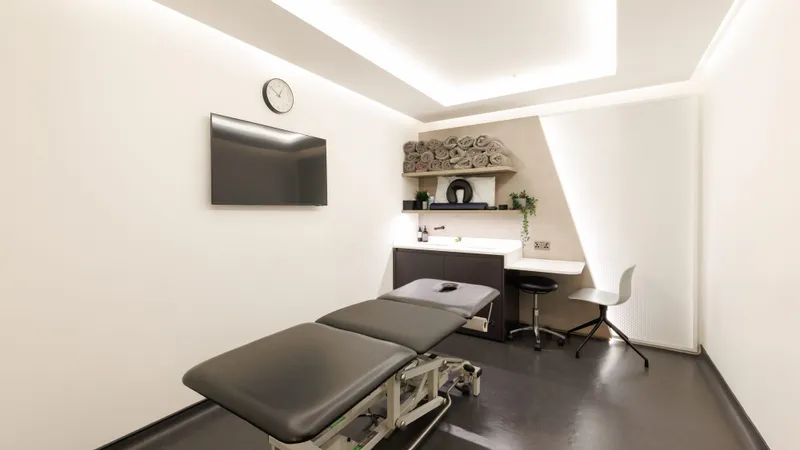
Your first visit is a full 60-minute assessment: a detailed history, then testing of how you move, how strong you are and what the painful area is actually doing. We explain the working diagnosis in plain English and agree a plan with you before any treatment starts.
You leave with a written summary and a home programme, emailed the same day and loaded into the Move Health app so the technique stays right between visits.
The starting point for better health. Our clinics work together to take you from injury, through recovery and performance, to the kind of health that holds up for decades. One team, one plan, one record of where you started.

You can refer yourself, with no GP letter needed, and book online in a couple of minutes at whichever clinic is easier to reach.
Most people arrive with something that hurts. What happens after that is the part most clinics leave to chance. We treat the problem, rebuild the capacity you lost, then keep you strong enough that it stays fixed.
A detailed history and a thorough examination of movement, strength and the affected area. You leave knowing what is wrong, why it happened and exactly what we are going to do about it.

Hands-on manual therapy chosen for your presentation, with Western medical acupuncture or soft-tissue work added where they help. Treatment is not the goal in itself: it opens the window to move and load properly.

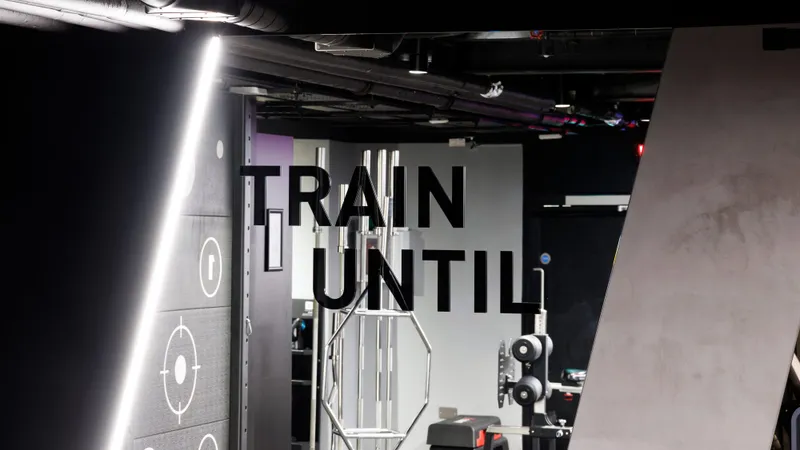
Progressive, coached exercise rehabilitation restores the strength and load tolerance you lost, with full gym facilities at both clinics. This is the stage that decides whether the fix lasts.

Each follow-up measures you against your own baseline. We discharge you when you have the strength and the tools to manage alone, with clinical Pilates, sports massage and golf screening on hand to keep you there.

Treatment approach
Combined assessment, manual therapy, and progressive exercise is the NICE-aligned first-line treatment for both non-specific low back pain and sciatica.
See treatment detail →A graded, individualised exercise programme rebuilds strength and load tolerance in the lumbar spine, which is the strongest evidence-based defence against recurrence.
See treatment detail →Offered as an adjunct by our AACP-registered physiotherapists to help manage persistent pain alongside the core rehab plan, in line with NICE guidance on chronic pain.
See treatment detail →FAQ
Go to A&E immediately if you develop loss of bladder or bowel control, numbness around the saddle or genital area, or progressive weakness in both legs. These can signal cauda equina syndrome: a rare emergency needing imaging and surgery within hours. Also seek urgent care after significant trauma. Physiotherapy is not appropriate first in these cases.
Usually not. NICE advises against routine imaging for non-specific low back pain and sciatica because it rarely changes management and often shows incidental findings: disc bulges or mild degeneration, that are common in pain-free people. We reserve imaging for genuine red flags or symptoms that fail to improve and suggest a specific cause needing further investigation.
Stay as active as your pain reasonably allows. Bed rest beyond 24 to 48 hours actually slows recovery and raises the risk of persistent problems. Walking, gentle movement, and keeping to your normal routine where possible are recommended even during an acute flare. Your physiotherapist will guide what to modify and what to safely keep doing.
Most sciatica improves within 4 to 6 weeks, and the majority resolve within 12 weeks without surgery. With physiotherapy, an acute first episode of low back pain often settles in 3 to 6 sessions over 4 to 8 weeks. Recurrent or longer-standing pain responds more slowly: typically 6 to 12 sessions over 8 to 16 weeks.
Get Started
Origin Health • 280 Bishopsgate, Liverpool Street, London EC2M 4RB
BookAppointments typically available within 1–2 weeks